


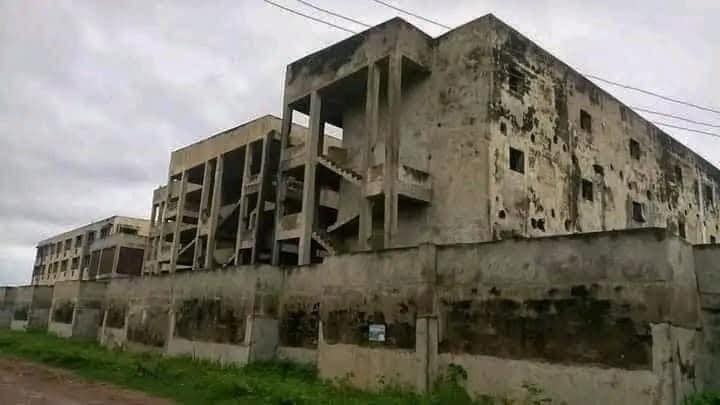
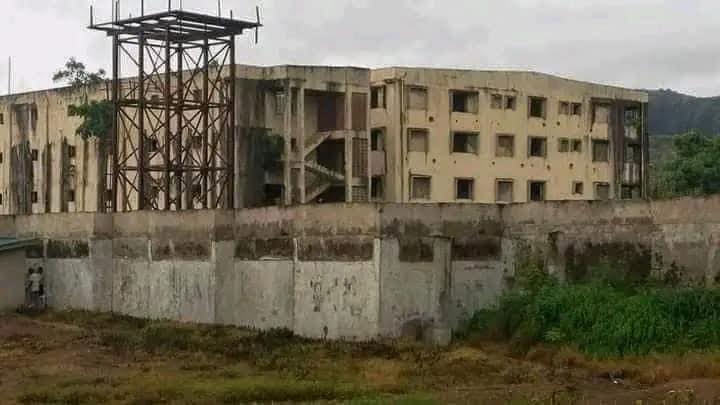
Ben Thomas Hotels in Kabba, Kogi State, stands as a towering reminder of what once was. With 360 rooms, it remains the largest hotel in the entire Middle Belt region of Nigeria—yet today, it lies neglected, abandoned, and wasting away.
A Glorious Beginning
Constructed between 1981 and 1982 and officially commissioned in 1983, the hotel was celebrated as a monumental achievement. Located in Iyah, a suburb of Kabba, the edifice was not only massive in scale but also a symbol of ambition and progress for the region.
At its grand commissioning, legendary music icons King Sunny Ade and General Kollington Ayinla electrified the atmosphere, entertaining dignitaries and residents alike. Kabba Kingdom came alive with pomp and pageantry, as people from far and near gathered to witness the unveiling of what was then the crown jewel of hospitality in the old Kwara State.
Outshining the Competition
Back in its prime, Ben Thomas Hotels dwarfed its contemporaries:
- Kwara Hotels, Ilorin – under 200 rooms
- Shiroro Hotels, Minna – about 180 rooms
- Confluence Beach & Kogi Hotels, Lokoja – both far smaller in scale
In sheer size and elegance, none came close to Ben Thomas Hotels.
From Prestige to Neglect
Sadly, more than three decades later, the story has changed. The once-proud structure now wears a ramshackle, unkempt look. For the past 35 years, it has sat in abandonment—its grandeur reduced to a ghost of its former self. Though the structure remains intact, it has become a symbol of wasted potential.
A Sleeping Giant Waiting for Revival
If properly refurbished and revived, Ben Thomas Hotels has the capacity to rival—and even surpass—renowned establishments such as:
- Federal Palace Hotel, Lagos
- Protea & Sheraton, Ikeja
- Gubabi Royal Suites, Horizon, and Chelsea Hotels, Abuja
Interestingly, many of these hotels, though smaller in size, thrive simply because they are located in highbrow, well-patronized areas.
The Big Question
What will it take to awaken this sleeping giant? Ben Thomas Hotels could become a hub for tourism, business, and cultural exchange in the Middle Belt, boosting both the local economy and Kogi State’s profile on the national hospitality map.
For now, it remains a wasting asset, but with the right vision and investment, the magnificent edifice could once again shine as the pride of Kabba and beyond.
About The Author


