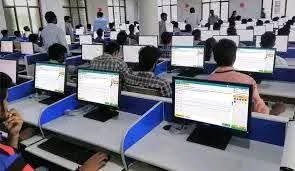
After 73 years of tradition, Nigeria is ushering in a new chapter for the West African Senior School Certificate Examination (WASSCE)! In a groundbreaking announcement, the West African Examinations Council (WAEC) is officially transitioning the WASSCE to a fully Computer-Based Test (CBT) format.
This historic reform marks a significant leap forward for Nigeria’s education sector, promising to address long-standing issues and position students for success in an increasingly digital world.
Why the Big Change?
The move away from traditional paper-and-pen examinations is driven by several key objectives:
- Combating Exam Malpractice: This is perhaps the most critical aim. The CBT format is expected to drastically reduce opportunities for cheating, ensuring a more level playing field and restoring integrity to the examination process.
- Boosting Credibility: By safeguarding the examination’s integrity, WAEC aims to enhance the overall credibility and value of WASSCE certificates, both locally and internationally.
- Aligning with Global Standards: The world is digital, and so too must our assessment methods be. This transition aligns Nigeria’s education system with modern global practices, preparing students for higher education and careers in a knowledge-driven economy.
A Pillar of the Renewed Hope Agenda
This bold step is strongly supported by President Bola Ahmed Tinubu’s Renewed Hope Agenda, with the Ministry of Education championing the initiative. The focus is clear: to equip Nigerian youth with the skills and experience needed for a future increasingly reliant on technology.
“This shift will prepare students for a knowledge-driven future while safeguarding the credibility of certificates,” a statement from the Ministry of Education highlighted.
The move to CBT for WASSCE is more than just a change in examination format; it’s a testament to Nigeria’s commitment to educational reform and a brighter, more transparent future for its students. While the transition will undoubtedly come with its own set of adjustments, the potential benefits for academic integrity and student preparedness are immense.
What are your thoughts on this major shift? Let us know in the comments below!
About The Author