


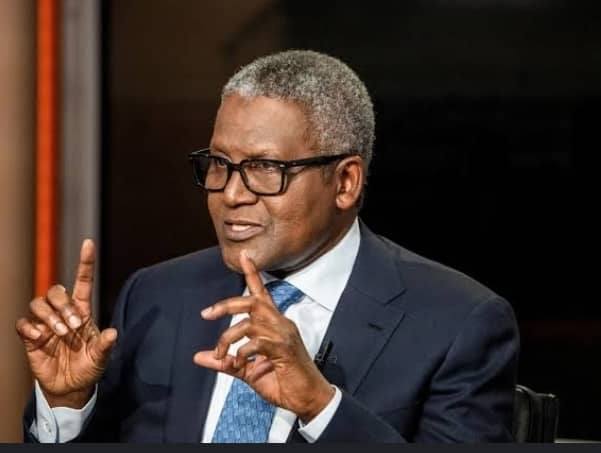
The debate over the future of Ajaokuta Steel Complex has resurfaced following recent remarks by Africa’s richest man, Aliko Dangote, who described its revival as “impossible.” His comments have sparked nationwide reactions, raising fresh questions about the role of capitalism in shaping Nigeria’s industrial destiny.
Observers warn that while Dangote’s perspective carries weight, Nigeria must guard against allowing private business logic to dictate the fate of a national asset. Industry experts point to the country’s refineries—once nearly sold at giveaway prices before late President Umaru Musa Yar’Adua halted the deal—as a cautionary tale of undervaluation and short-term thinking.
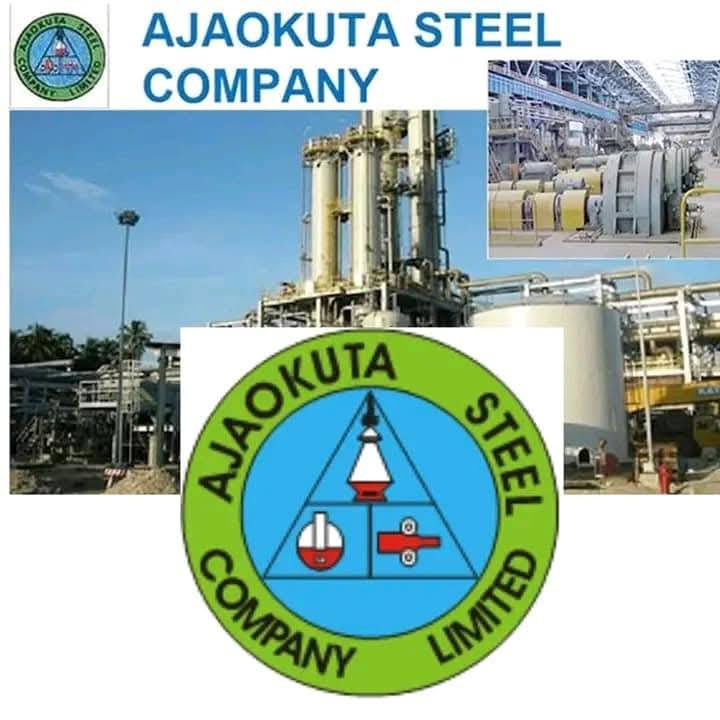

Why Ajaokuta Still Matters
Established in the 1970s with Russian technical expertise, Ajaokuta was envisioned as the backbone of Nigeria’s industrial future—powering railways, automobiles, shipbuilding, defense, and construction. Decades of corruption, inconsistent policies, and vested interests, however, have left it in limbo.
Globally, steel remains the bedrock of industrial growth. Nations like China, South Korea, and India have leveraged strong steel industries to rise as manufacturing giants. Nigeria’s continued reliance on steel imports, critics argue, weakens its economy, drains foreign exchange, and hampers local innovation.
The Path Forward
Experts and stakeholders outline several urgent steps to reposition Ajaokuta:
- Political Will: Prioritize national interest over private influence.
- Technical Expertise: Engage Nigerian metallurgists trained for this purpose.
- Strategic Partnerships: Pursue transparent and equitable collaborations.
- Public-Private Synergy: Adopt a hybrid model to combine state protection with private sector efficiency.
While Dangote’s business record is notable, analysts insist Ajaokuta must not be reduced to a pawn in the chessboard of capitalism. It remains too vital to Nigeria’s sovereignty and industrial future.
The Verdict
The call is growing louder for a national steel agenda that unites government, the private sector, technocrats, and citizens. For many, Ajaokuta is not just an abandoned dream—it is still capable of becoming the cornerstone of Nigeria’s industrial revival.
About The Author


