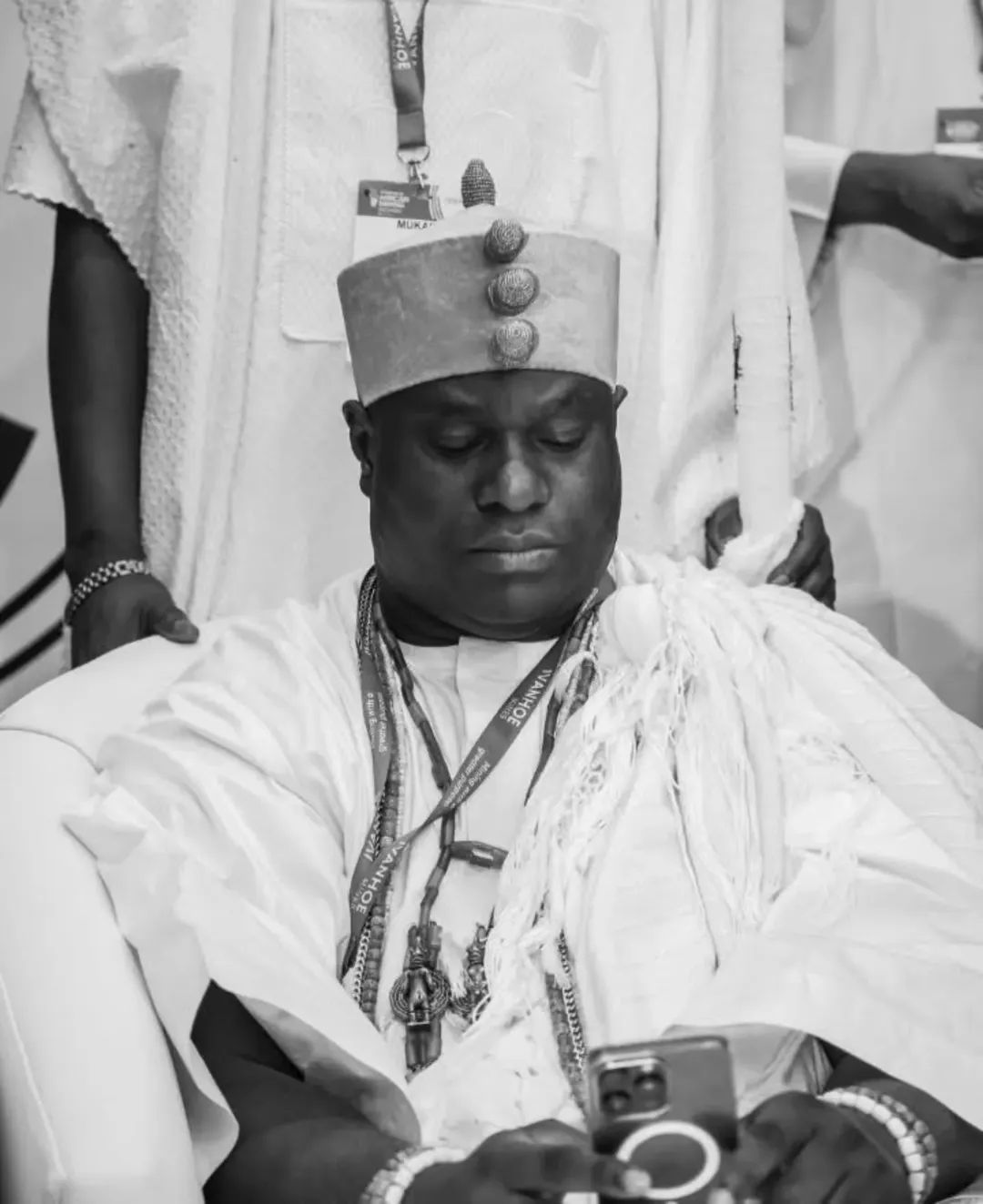
When people picture 19th-century Yorubaland, they often imagine kings, warriors, and battles for territory. But behind those stories lies another truth: the women who held families, towns, and entire economies together.
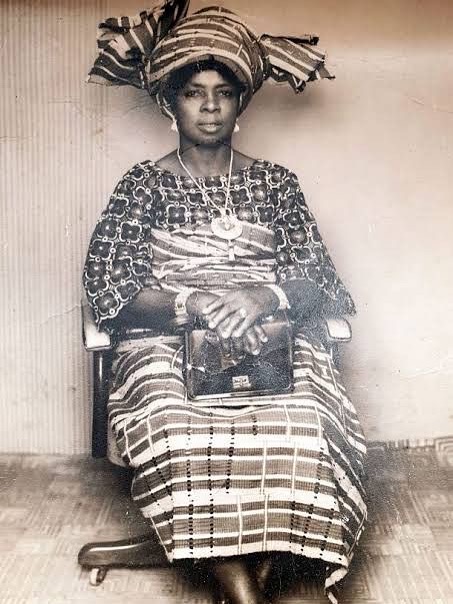
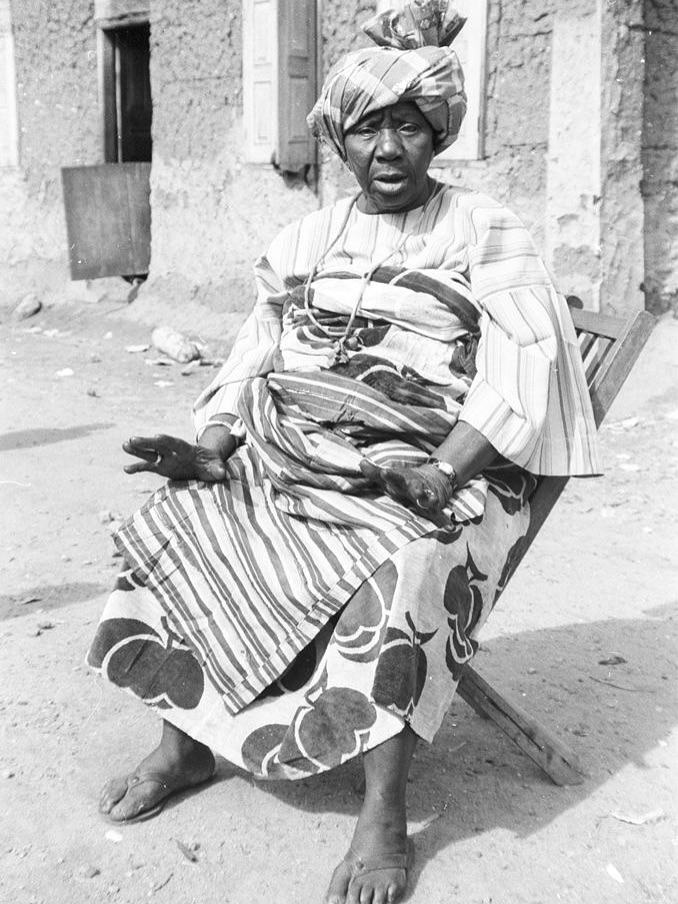
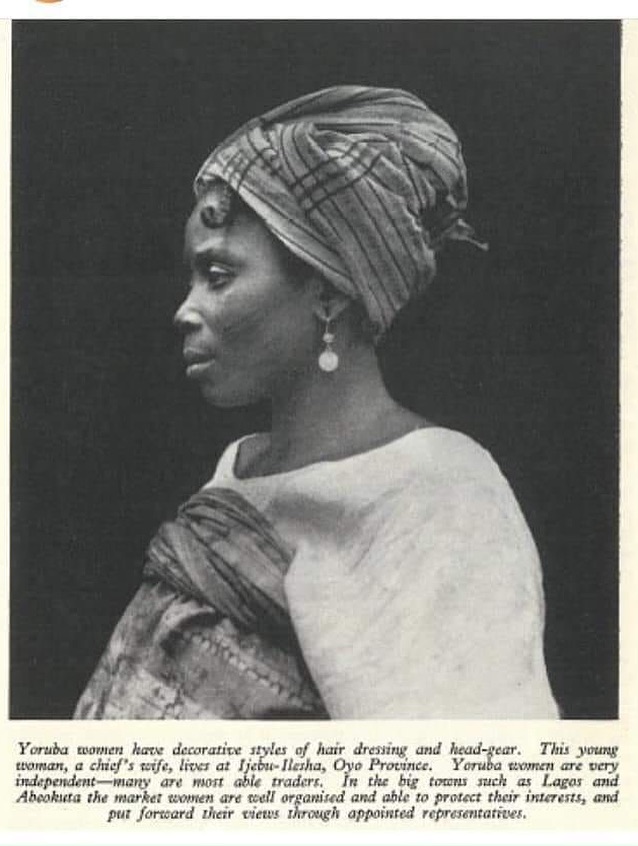
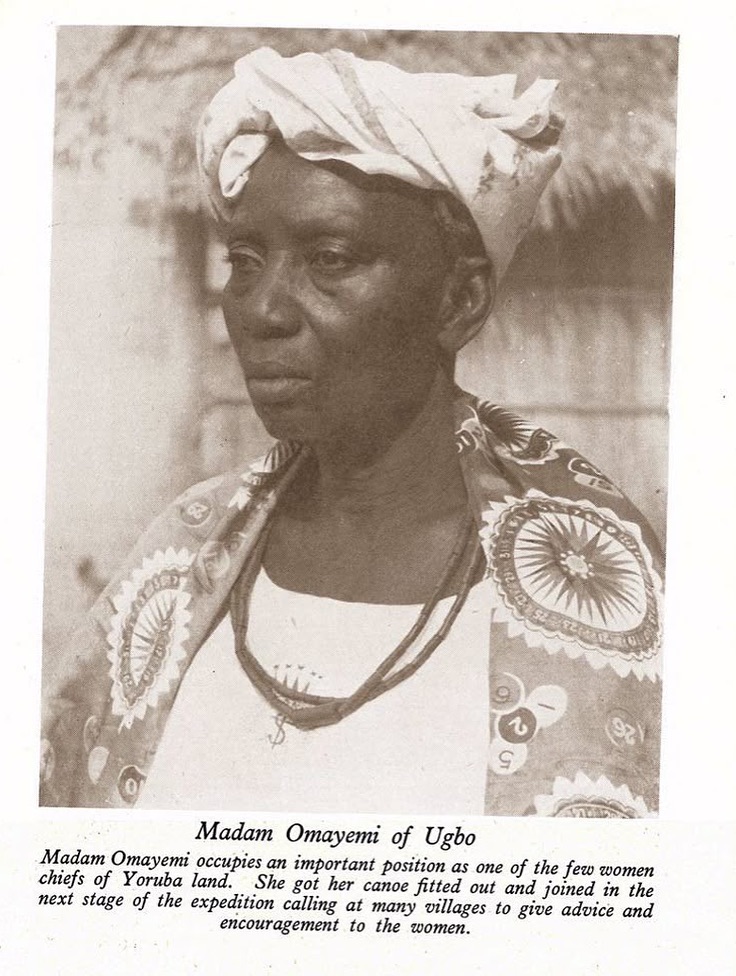
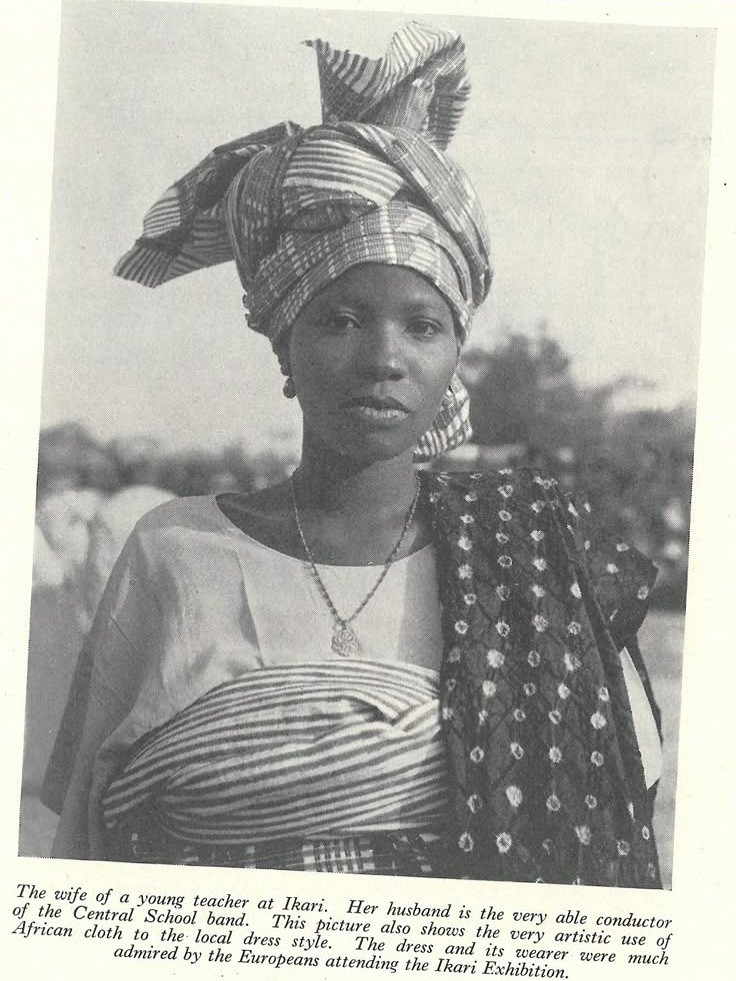
Far from being confined to the home, Yoruba women of the 1800s were traders, priestesses, community leaders, and negotiators—forces whose impact shaped society in ways that still echo today.
Economy & Trade
Markets were the heartbeat of Yoruba life, and women stood at their center. From kola nuts to textiles, women managed trade, built networks across towns, and in some cases rose to become wealthy merchants with influence over regional trade routes that stretched to the coast.
Spiritual Authority
As priestesses of powerful Òrìṣà like Ọṣun, Yemoja, and Ọya, women held deep spiritual authority. They guided rituals, led festivals, and provided counsel that bound communities together.
Family & Society
Within the extended family system, a Yoruba woman was the backbone. She nurtured children, managed farms, and ensured survival even in times of displacement and war. She was strategist as much as caregiver.
Resilience in Crisis
The 19th century was marked by wars and slave raids. In those moments, women were not passive victims. They organized escapes, rebuilt broken settlements, and in some regions even took part in negotiations for peace.
European travelers of the time often noted, sometimes with surprise, how independent and respected Yoruba women were compared to women in their own societies.
The Yoruba woman of the 1800s was not silent. She was a voice. She was resilience. She was the balance of softness and strength that kept her people alive.
About The Author