


Abuja, Nigeria — The Federal Government has approved the full restoration of History as a compulsory subject in the basic education curriculum, marking a historic milestone in the nation’s education sector.
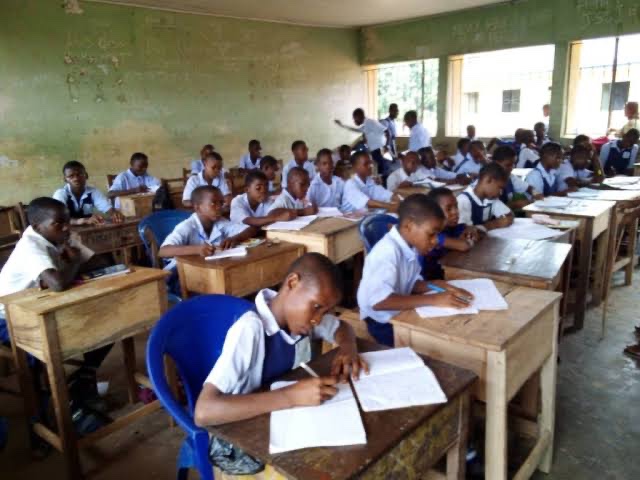
For the first time in decades, History will now be taught from Primary 1 through Junior Secondary School (JSS3), while Senior Secondary School (SSS1–3) students will take Civic and Heritage Studies, which integrates elements of History with Civic Education.
Under the revised curriculum:
- Primary 1–6 pupils will study Nigeria’s origins, notable leaders, cultural heritage, political and economic evolution, religious diversity, colonial rule, and post-independence governance.
- JSS1–3 students will cover African civilizations, empires, trade networks, European contact, the 1914 amalgamation, independence, democratic development, and civic responsibilities.
The Honourable Ministers of Education described this reform as “a priceless gift to the nation”, noting that it will reconnect Nigerian children with their roots, foster national pride and unity, and inspire responsible citizenship and commitment to national development.
This policy underscores the Federal Government’s dedication to strengthening education as a tool for cultural preservation, patriotism, and nation-building.
About The Author


