


In Nigeria’s political landscape, authority operates on two levels — the written laws defined by the Constitution and the unwritten traditions that shape respect, influence, and hierarchy beyond public office.
This understanding provides context for the ongoing discussion surrounding former Kogi State Governor, His Excellency Alhaji Yahaya Bello, who recently came under public scrutiny for reportedly using certain official symbols — such as a red pen and a letterhead featuring the national Coat of Arms — after leaving office.
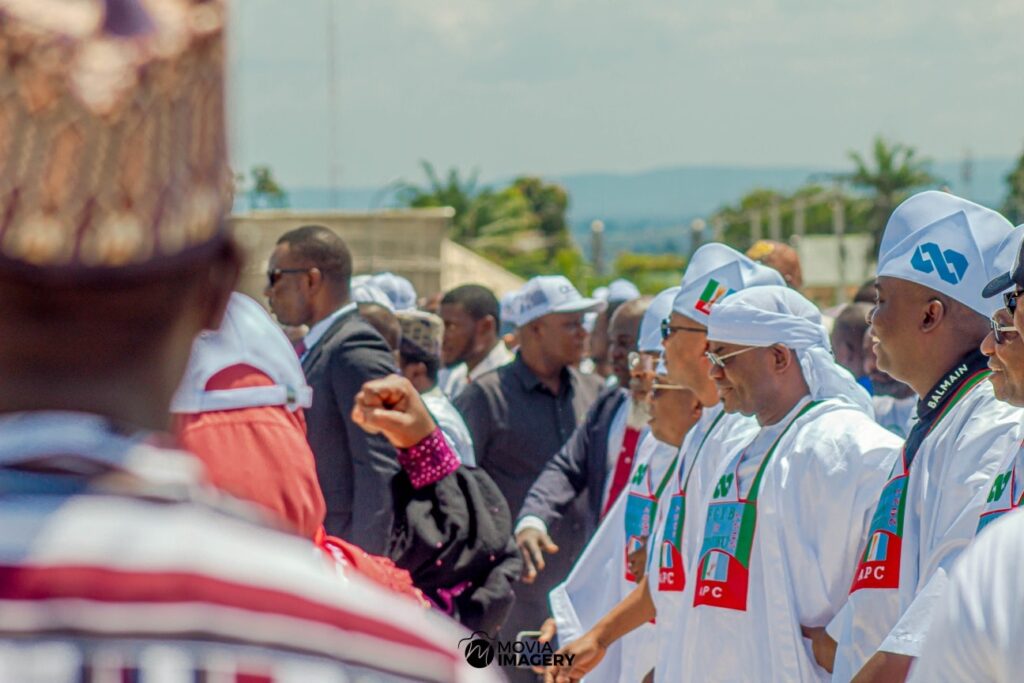
While some critics argue that such actions blur the line between formal authority and personal influence, others see them as part of Nigeria’s broader political culture, where former leaders often retain symbolic power and recognition long after their tenure.
Titles and Influence Beyond Tenure
In Nigeria, political titles frequently outlive official service. Former Senators, Governors, and Presidents are still addressed by their previous titles, reflecting a tradition of continued respect.
This social norm often extends to political influence, especially when a leader has maintained strong grassroots connections and loyal networks during their time in office.
However, not all leaders sustain this influence. Some lose visibility after leaving office, particularly when they lack a durable political structure or support base.
Yahaya Bello’s Political Legacy
For former Governor Yahaya Bello, his years in office were marked by the establishment of a far-reaching political network that continues to shape governance and politics in Kogi State.
Observers note that his successor, Governor Usman Ododo, operates within this inherited framework — a structure built to ensure continuity, loyalty, and political stability.
Governor Ododo’s open acknowledgment of Bello’s role and influence has drawn both commendation and criticism. Supporters describe it as a practical recognition of political realities, while critics question whether such alignment limits independent leadership.
Symbols and Significance
The debate over the use of official symbols by former leaders highlights a recurring theme in Nigerian politics: the overlap between personal influence and institutional power.
While the use of items such as an official pen or letterhead may appear symbolic, it also raises questions about boundaries between public office and private identity.
Legal experts note that there is no explicit law prohibiting a former governor from using such symbols, though interpretations vary on what constitutes appropriate conduct after tenure.
Power, Legacy, and Perception
Beyond the legal arguments, the conversation reflects the enduring tension between constitutional authority and political relevance.
For many in Kogi, particularly among the Ebira, Bello’s time in office remains significant for its political and social impact. For others, the debate underscores the need to clarify expectations for post-office behavior to strengthen public trust.
As Nigeria’s democracy continues to mature, the balance between respect for political legacy and adherence to institutional boundaries remains a defining feature of the nation’s governance culture.
About The Author


