


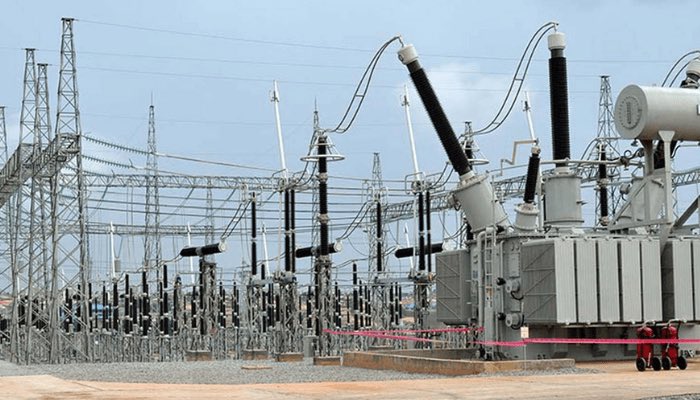
Abuja, Nigeria – In a decisive move to reshape Nigeria’s power sector, President Bola Tinubu has signed the Electricity Act (Amendment) Bill, 2025, into law. This isn’t a total rewrite but a significant evolution of the groundbreaking 2023 Act. The core mission? To finally push reliable electricity closer to the people by empowering states and holding underperforming distribution companies (DisCos) to account.
Gone are the days of vague promises. This amendment lays down clear rules, consequences, and opportunities. Here’s what you need to know.
1. The Era of State-Led Power is Truly Here
States are no longer just spectators. The law formally grants them the authority to generate, distribute, and transmit electricity within their own boundaries. They can establish their own state electricity regulatory commissions and issue licenses to private investors for mini-grids and embedded power plants.
This isn’t just theory. Progressive states like Lagos, Enugu, and Edo are already ahead of the curve, having drafted their own electricity laws. The message is clear: if your state government is ready, it can now directly work towards solving your 24/7 power problems.
2. A Final Warning for Underperforming DisCos
For frustrated citizens and businesses, this might be the most welcome news. The “business as usual” approach for DisCos is over. The Nigerian Electricity Regulatory Commission (NERC) now has a powerful new tool: it can dilute the shareholding of chronically underperforming distribution companies.
Furthermore, investors in such DisCos have a 12-month ultimatum to recapitalize and turn operations around. Failure to do so could result in the company being taken over or re-privatized. The government is also moving to clean up the books by clarifying its stake in the 11 Discos to reflect actual investments made. It’s time to perform or make way.
3. Tariffs, Subsidies, and Finding the Money
The amendment acknowledges hard truths. Poorly targeted electricity subsidies will be phased out. In their place, new financing frameworks are to be established, aimed squarely at attracting domestic private investment into the sector.
On tariffs, states will have the power to set rates for power generated and consumed within their jurisdiction. However, NERC will retain oversight over any matters or markets connected to the National Grid, ensuring nationwide stability isn’t compromised.
4. Stronger Protection for Infrastructure and People
Vandalism of power infrastructure has been escalated to a serious criminal offence with stringent penalties, including imprisonment. The law also introduces vital community rights provisions. Communities hosting power generation or transmission projects now have legally backed rights to information, consultation, and tangible benefits.
5. Key Shift from the 2023 Act
The 2023 Act opened the door for states to fully take over electricity regulation. The 2025 amendment refines this: while states have full rein off the grid, the Federal Government, through NERC, retains regulatory authority over all assets and operations connected to the national grid. This dual system aims to balance local innovation with national coordination. The amendment also brings the tougher DisCo rules and community protections that were absent before.
The Bottom Line:
The 2025 amendment is a pragmatic power shift. It gives states the legal toolkit to solve their own energy crises locally. It places failing DisCos on a strict, final notice. And it ensures that while decentralization moves forward, the integrity of the national grid remains a federal priority. The hard work of implementation begins now, but the framework for a more reliable, accountable, and dynamic electricity future is finally in place.
About Òkun Reporters:
Òkun Reporters is dedicated to delivering clear, impactful, and human-focused reporting on the policies and events that shape Nigerian society.
Contact:
Editor
Òkun Reporters
editor@okunreporters.com.ng
About The Author


