


Energy expert explains why mAh ratings aren’t the same across devices and what to look for.
As more Nigerians turn to alternative energy solutions amid grid instability, understanding the difference between a power bank and a power station has become essential for making informed purchasing decisions.
A detailed explainer circulating online breaks down the key distinctions between these two popular energy devices, highlighting why they are not interchangeable despite both being used for portable power.
What is a Power Bank?
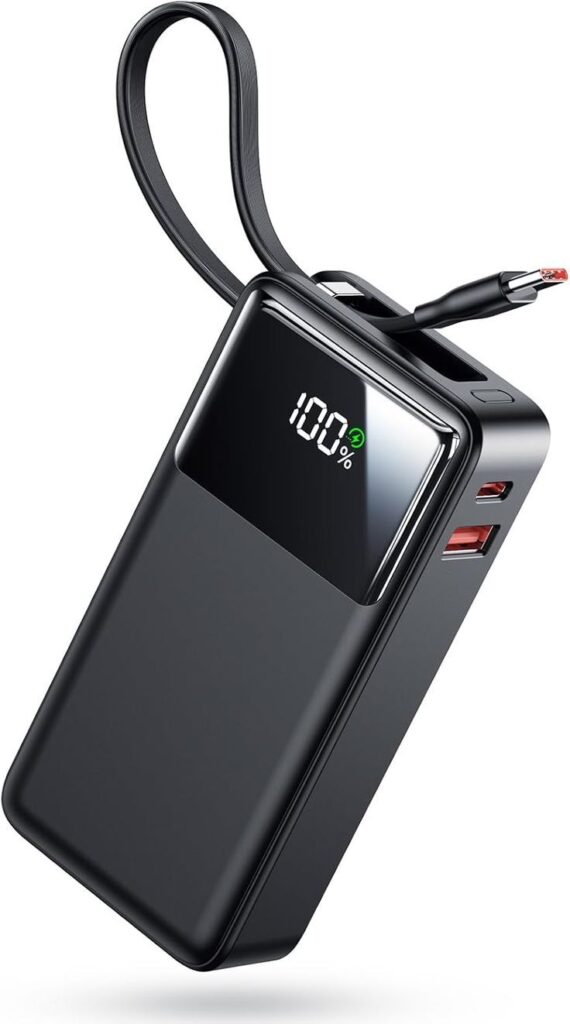
A power bank is a compact energy storage device designed primarily to charge small electronics such as smartphones, MiFi devices, and flashlights. Most power banks operate on 5-volt systems, though some modern units are modified to supply 12 volts DC for charging devices like USB-C laptops.
However, regular power banks do not contain an embedded inverter. This means they cannot supply 220-volt AC power—the type of electricity that comes from a standard wall socket. As a result, a regular power bank cannot power appliances such as televisions, fans, or refrigerators.
What is a Power Station?
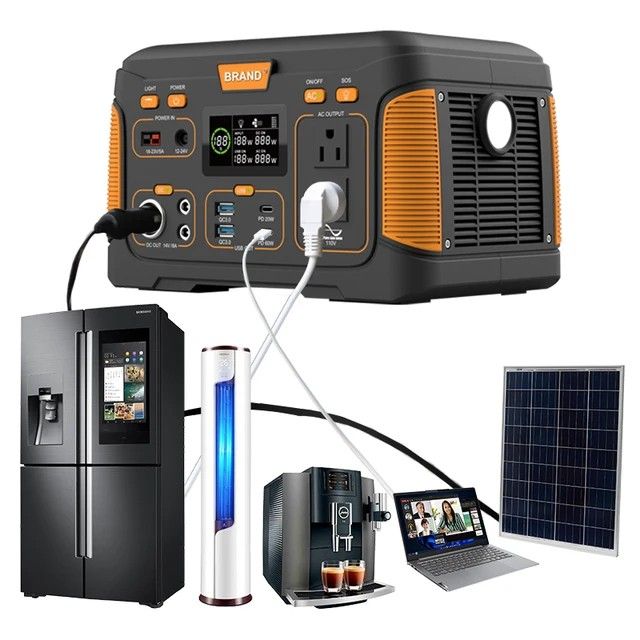
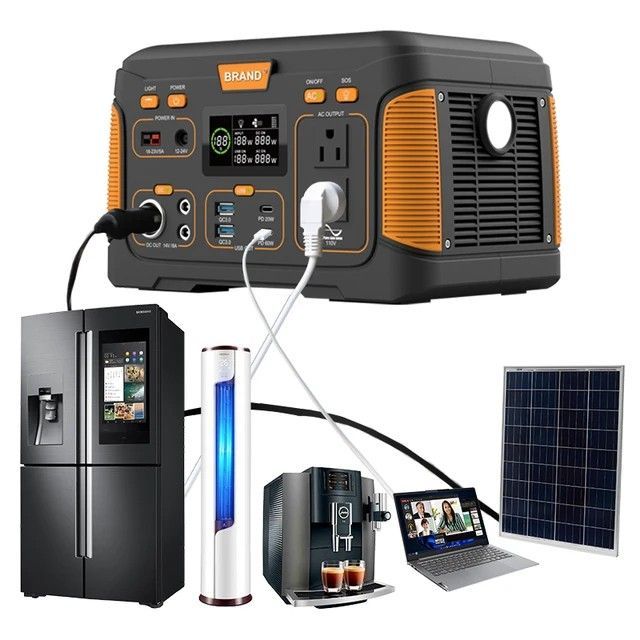
A power station is a more robust system. It functions essentially as a DC generator with a solid internal battery bank and an embedded inverter that converts DC power to AC power. This allows it to feed standard sockets capable of running household appliances.
Depending on its power rating, a power station can operate:
· Regular laptops and desktop computers
· Televisions and decoders
· Standing fans and music players
· Lighting systems
· Refrigerators and gaming consoles like the PS5
Why mAh Ratings Are Misleading
One of the most common misconceptions involves comparing milliamp-hour (mAh) ratings between power banks and power stations.
Example:
· A power bank with a 50,000 mAh rating at 3.2 volts nominal voltage provides approximately 160 watt-hours of energy.
· A power station with the same 50,000 mAh rating but at 12 volts nominal voltage provides approximately 640 watt-hours of energy.
Practical implication:
If you draw 100 watts from the power bank, it will last just over one hour. Drawing the same 100 watts from the power station will last more than six hours.
Why the Price Difference?
Power stations are significantly more expensive than regular power banks because they contain:
· Larger, higher-voltage battery banks
· Embedded inverters for AC power conversion
· Greater energy capacity and broader appliance compatibility
Buying Advice
Consumers are urged to look beyond mAh ratings and price tags when shopping for energy devices. Instead, they should carefully check the specifications, voltage, and intended function to ensure the device meets their actual power needs.
“Don’t just look at mAh and price alone—check their function and capabilities,” the explainer advises. “They are not the same.”
About Òkun Reporters:
We provide practical information to help consumers make informed decisions. For more guides and updates, visit www.okunreporters.com.ng.
Contact:
Editor
Òkun Reporters
editor@okunreporters.com.ng
About The Author
